Energy Costs and Reliability: What Farmers Need to Know
Fuel, electricity, and natural gas keep farms running. Affordability and reliability of energy are practical, bottom-line concerns for every Alberta operation.
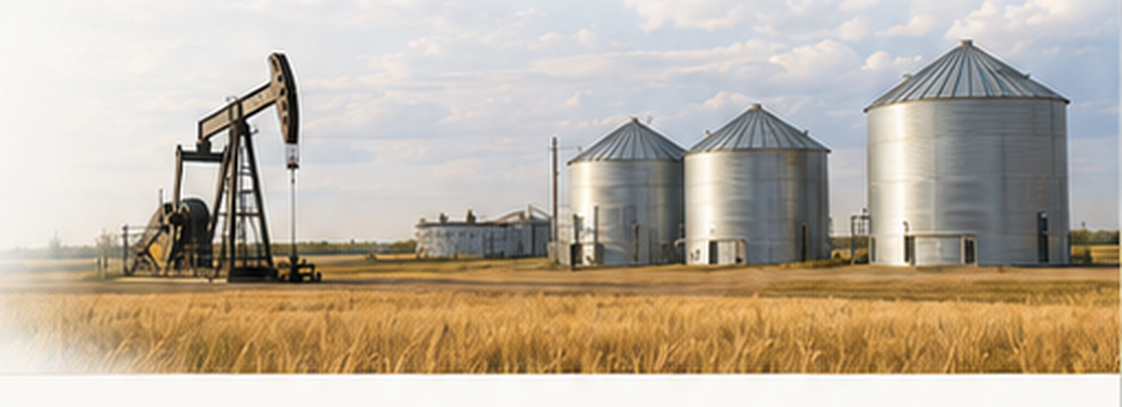
Energy is one of the most fundamental inputs on any farm. Diesel moves the equipment, electricity runs irrigation and grain systems, and natural gas heats barns and dries grain.
Both the price and the reliability of that energy matter, and in Alberta — a major energy producer — the topic sits close to the heart of many rural conversations.
The Energy Farms Actually Use
For most operations, diesel and gasoline are the largest direct energy costs, powering tractors, trucks, and combines. Electricity runs irrigation pumps, ventilation, and grain handling, while natural gas or propane handle heating and drying.
When energy prices spike, they ripple through the whole operation, and because fuel and power are hard to substitute in the short term, producers often absorb the cost directly.
Reliability Is Its Own Cost
Affordability gets the attention, but reliability can matter just as much. An outage during harvest, calving, or an irrigation window can cause losses that dwarf the monthly power bill.
As demand on the grid grows and weather events become more intense, rural producers are paying closer attention to how resilient their energy supply really is.
The Alberta Angle
Alberta's identity as an energy province gives this issue extra weight. Decisions about resource development, electricity markets, and revenue affect rural communities both as energy users and, in many cases, as hosts of energy infrastructure.
For producers, the practical questions are straightforward: is energy affordable, is it reliable, and are the rules stable enough to plan around?
What Supports Affordable, Reliable Energy
For farms, good energy policy is measured in two simple ways: cost and dependability.
 Keep energy affordable for fuel, electricity, and heating.
- Strengthen grid reliability so outages do not hit at critical times.
- Support resilient rural supply that holds up during extreme weather.
- Provide stable rules so producers can plan energy-related investments.
The Bottom Line
Energy is a cost every farm pays and a service every farm depends on. Both affordability and reliability shape the bottom line.
In an energy province, getting the balance right is both an economic and a rural-community question.
Frequently Asked Questions
What energy do farms use most?
Diesel and gasoline are usually the largest direct costs, followed by electricity for irrigation and grain handling, and natural gas or propane for heating and drying.
Why does energy reliability matter so much?
An outage during harvest, calving, or an irrigation window can cause losses far larger than the energy bill itself.
Why is energy an especially big topic in Alberta?
As a major energy producer, Alberta's decisions on resource development and electricity markets affect rural communities as both energy users and hosts of energy infrastructure.