Drought and Water Outlook for Alberta Farms
Water security shapes what Alberta can grow. A plain-language look at drought conditions, irrigation, and watershed management for the 2026 season.
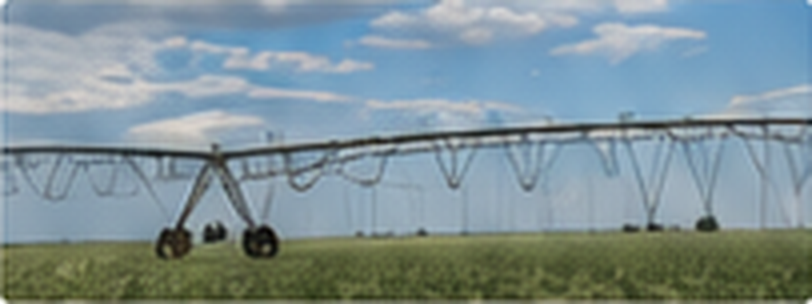
Water is the input Alberta producers can least afford to take for granted. Snowpack, rainfall, and reservoir levels set the boundaries for what a season can produce, especially across the province's south.
This outlook summarizes what drought and water conditions mean for farms in 2026 — and why irrigation and watershed management stay high on the rural agenda.
The Water Picture
Alberta's agricultural water supply depends on mountain snowpack, spring runoff, and summer rainfall feeding rivers and reservoirs. In dry years, low snowpack and early runoff can leave less water available when crops need it most.
Drought conditions vary across the province and across the season. Producers watch precipitation relative to normal, soil moisture, and reservoir levels to gauge the year ahead.
Why Irrigation Matters
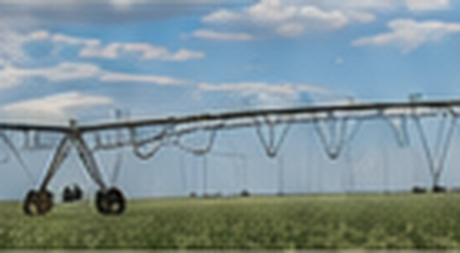
Irrigation transforms a large share of southern Alberta's farmland into some of the most reliable and productive cropland in the country. It buffers producers against dry spells and supports higher-value crops.
That reliability depends on infrastructure — canals, reservoirs, and delivery systems — being maintained and modernized so water reaches fields efficiently and with minimal loss.
Managing Watersheds Together
Water is a shared resource, and managing it well means balancing agriculture, communities, industry, and the environment across a whole watershed.
Sound watershed management — including storage, conservation, and clear allocation rules — helps the province stretch its water through dry years and recover after them.
What Supports Water Security
Water security is built through steady investment and careful management, not a single fix.
 Maintain and modernize irrigation so water reaches fields efficiently.
- Invest in storage to capture spring runoff for dry summers.
- Support conservation practices that stretch every acre-foot.
- Keep allocation rules clear so users can plan with confidence.
The Bottom Line
Water security is one of the most important long-term issues in Alberta agriculture, and it rewards planning ahead of the dry years rather than reacting to them.
Well-managed irrigation and watersheds are what let a large part of the province farm reliably.
Frequently Asked Questions
What determines Alberta's agricultural water supply?
Mountain snowpack, spring runoff, and summer rainfall feeding rivers and reservoirs. Dry years with low snowpack can leave less water when crops need it most.
Why is irrigation so important?
It turns a large share of southern Alberta farmland into reliable, productive cropland and buffers producers against dry spells.
How is water shared fairly?
Through watershed management that balances agriculture, communities, industry, and the environment, using storage, conservation, and clear allocation rules.